We employ the following methods to locate water leaks : Pipe locators/trackers, hydrogen nitrogen trace gas also known as 95/5 or forming gas (95% Nitrogen with 5% Hydrogen dissolved in the Nitrogen), electronic listening devices and ground microphones.
Hydrogen trace gas : (better known as forming gas or 95/5)
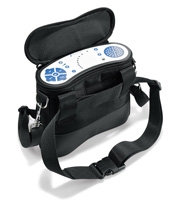
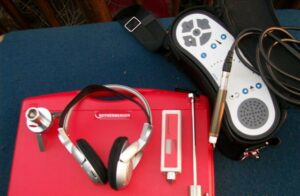
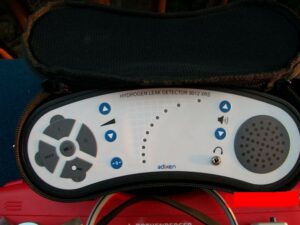
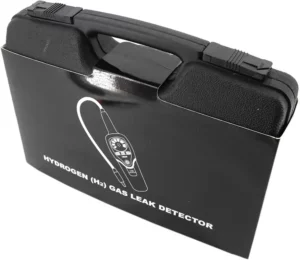
Hydrogen is the smallest molecule known to man. This gas can actually penetrate ice and is also the lightest of all gases. The gas is injected into the water supply line through a connection to a water point supply point on site (usually an outdoor tap). The connection has a lever valve and a pressure gauge attached. Once the line is charged with gas we close the gas supply and if the pressure drops, this indicates a potential leak on your water supply system. We then follow the layout of your water pipes with a tracker (if pipes are steel) a ground microphone (very good for hearing and locating leaks on plastic pipes underground) and trace gas detection equipment. Hydrogen is a non-toxic gas. We use a 95% nitrogen and 5% hydrogen mixture that is known as forming gas. This mixture is non-flammable.
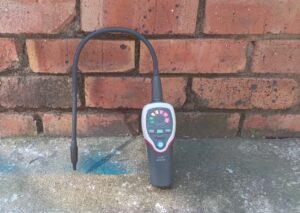
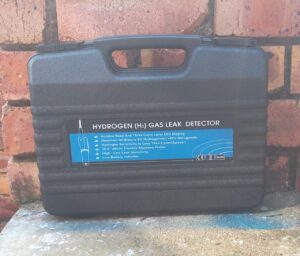
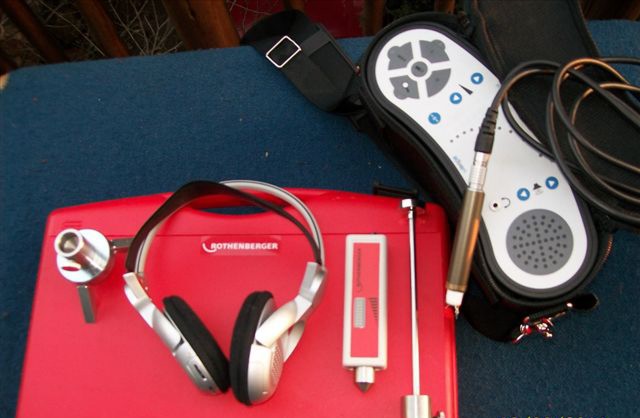
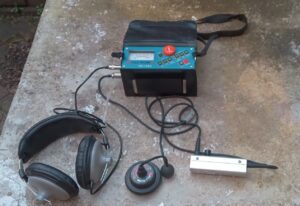
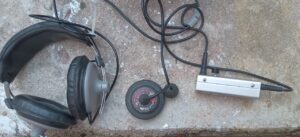
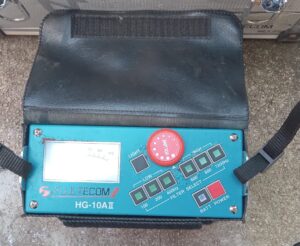
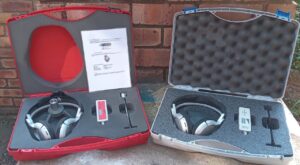
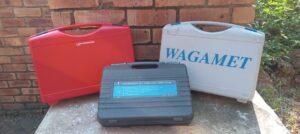
Electronic listening devices and ground microphones :
This equipment is used for listening for water movement and water noise in water pipes. Water leaks can be isolated to a particular area of the property using these devices in conjunction with specific investigative techniques.

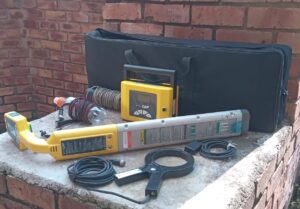
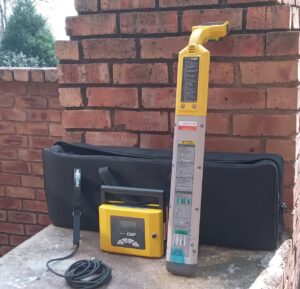
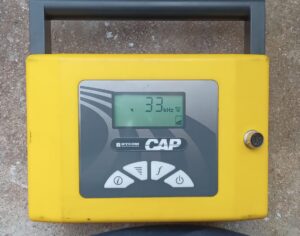
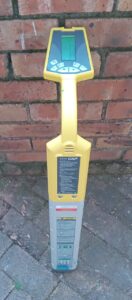
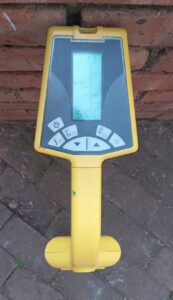
Pipe locators/Pipe trackers :
This equipment allows us to trace the position of underground steel pipes accurately while also giving us the exact depth of the pipes as well.
Thermal imaging cameras :
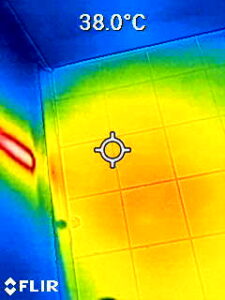
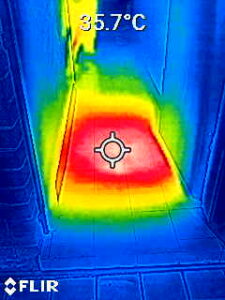
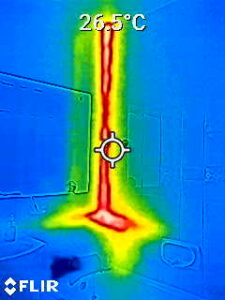
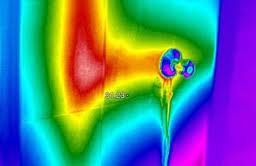
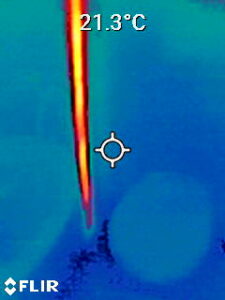
These cameras in our application are used to locate hot water pipes in walls and floors and to see the position of hotspots and wet and damp areas in walls and floors. Electrical faults on DB boards such as overheating can also be identified with these cameras.